
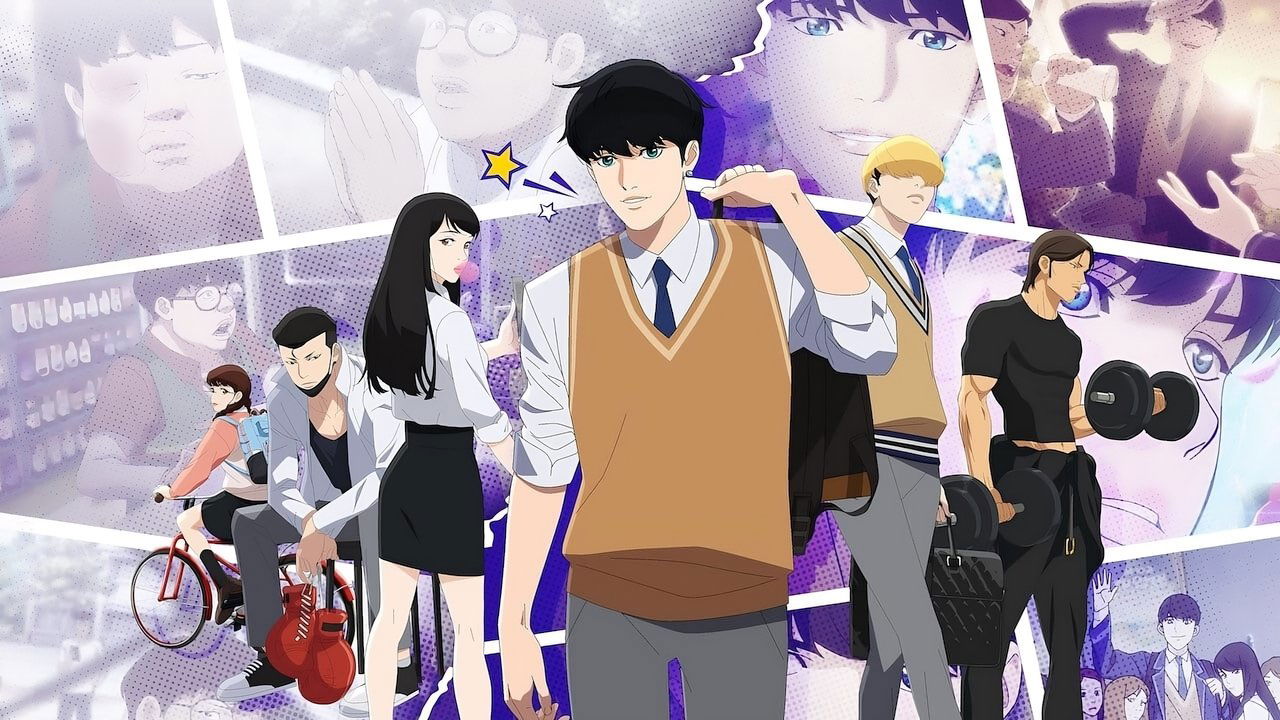
Lookism
★ 8.3
Series20228 eps
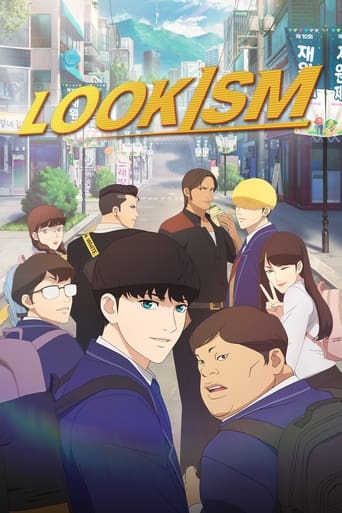
In a society that favors good looks, a high school outcast leads a double life switching between his two bodies that are polar opposites in appearance.
★ 8.3
Series20228 eps
In a society that favors good looks, a high school outcast leads a double life switching between his two bodies that are polar opposites in appearance.
★ 7.4
Film202390 min
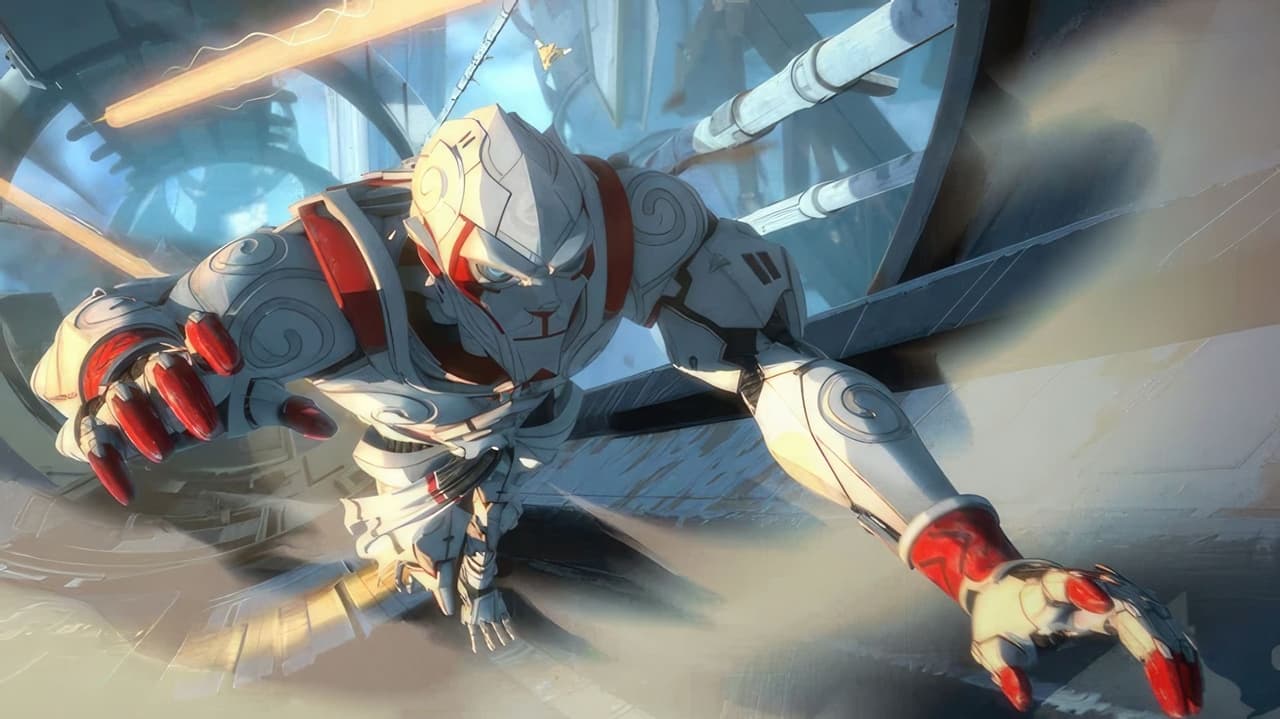
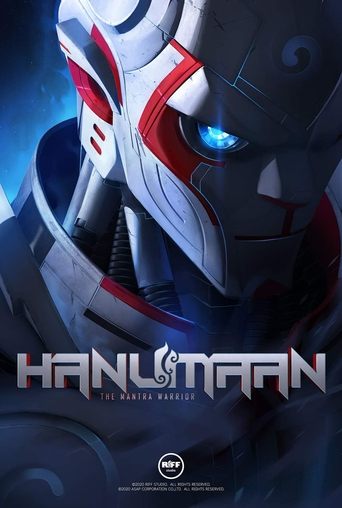
A story inspired by the original RAMAYANA, retold in a futuristic universe, involving brave warriors who possess ancient powers from another dimension.
★ 7.4
Film201890 min
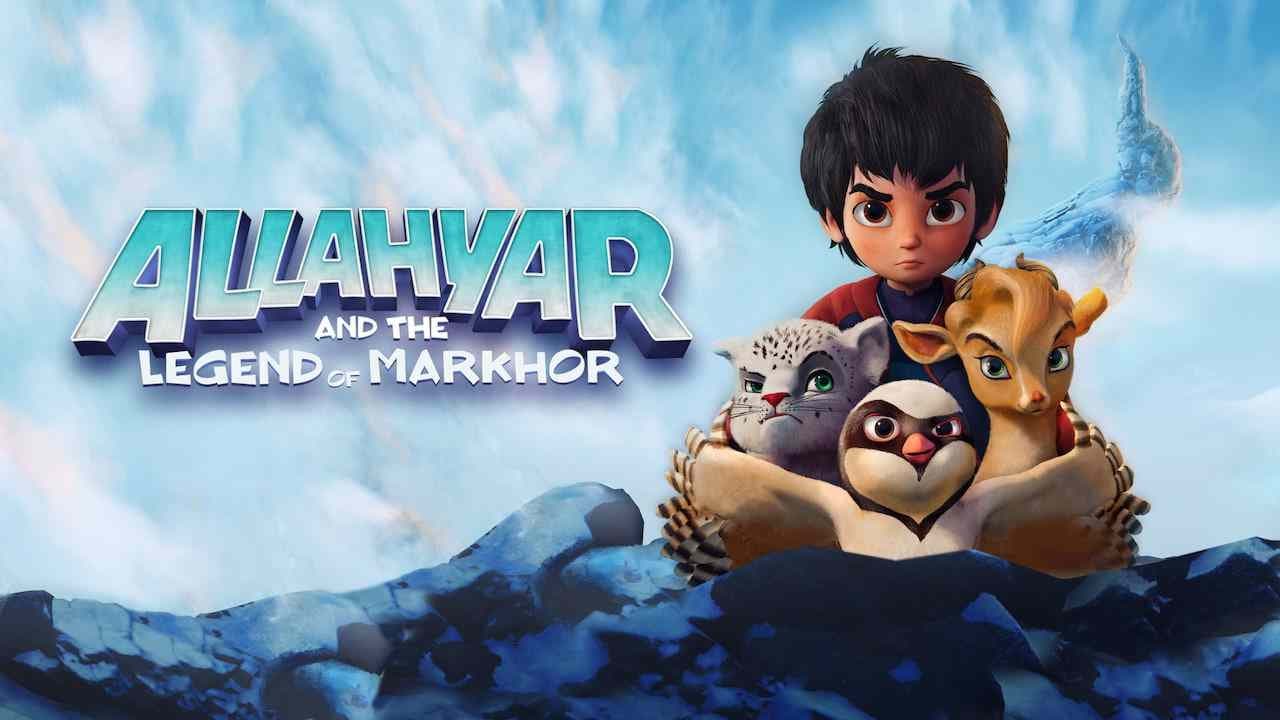
The story follows Allahyar, a young and mischievous boy who ends up dealing with circumstances he never thought possible. The movie aims to shed light on the preservation and illegal hunting of wildlife.
★ 6.5
Film202493 min
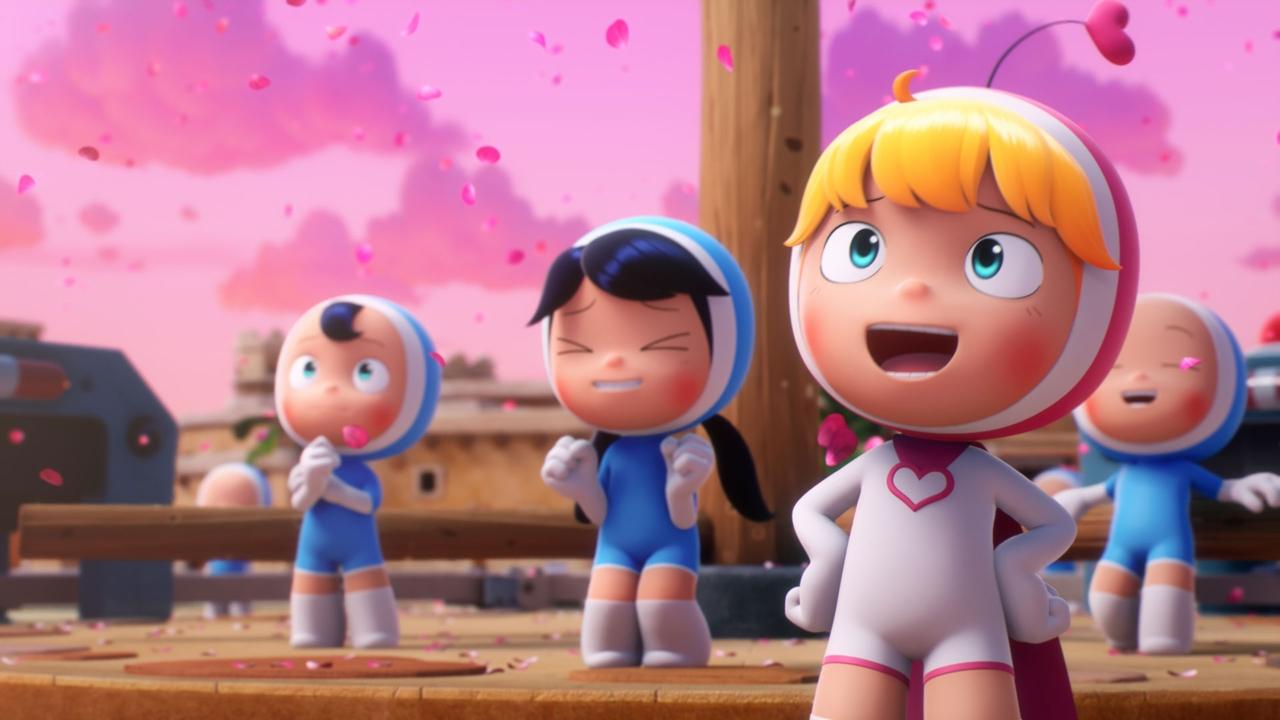
In pursuit of her lifelong dream of becoming a writer, Yumi takes the bold step of quitting her job to focus on preparing for a novel contest. From the Schedule Cell meticulously planning her writing schedule to the Writer Cell tirelessly seeking inspiration and the Cheapskate Cell tightening the purse strings, every cell works diligently to support Yumi in her aspirations. Yet, as worries about the future begin to mount, Anxiety Cell looms larger, casting a shadow over Yumi’s determination. Even the Love Cell, once sweet and hopeful, turns bitter and skeptical as her relationship with Babi hits rough patches. With conflicts among the cells intensifying, the Cell Village finds itself confronting a crisis unlike any it has faced before…
★ 6.9
Film2019101 min
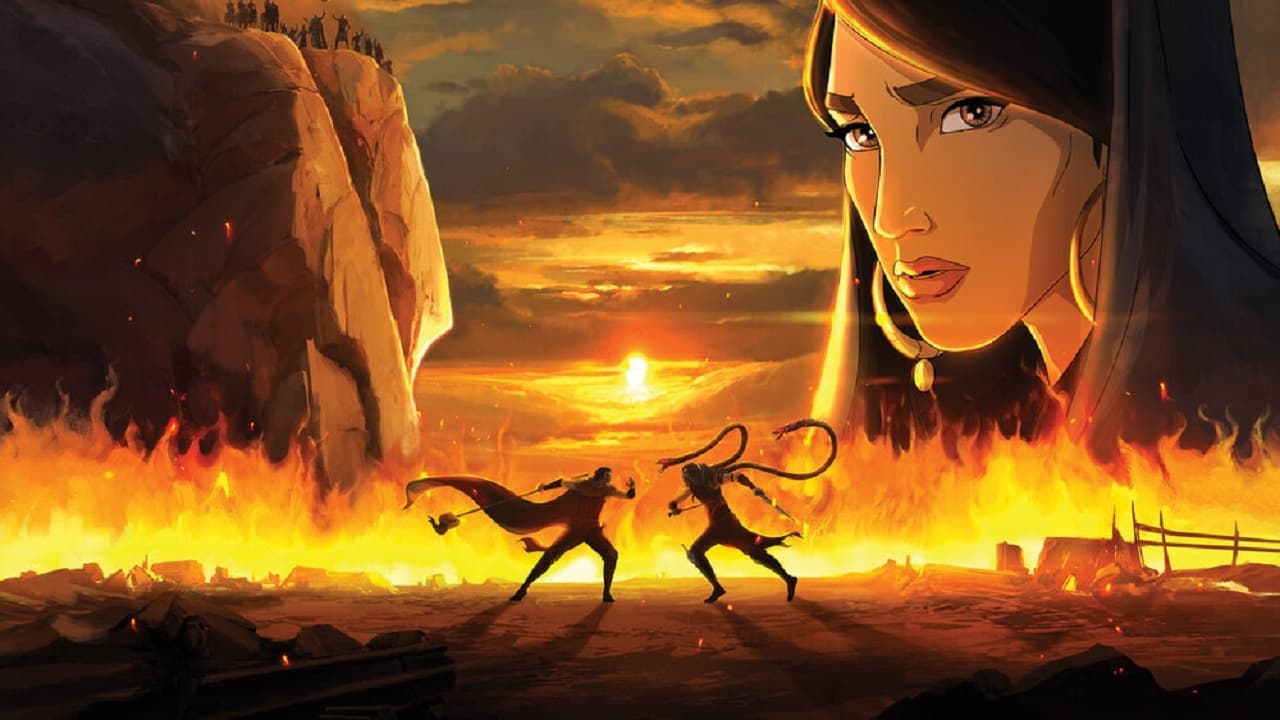
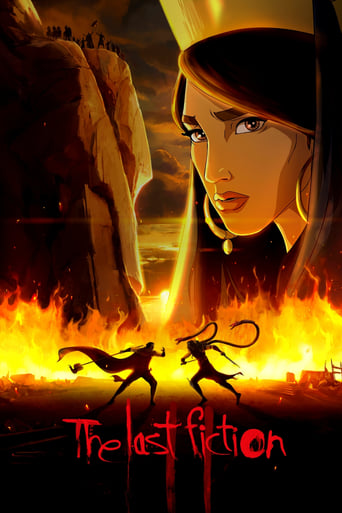
Kingdom of Jamkard, ancient Persia. After defeating the armies of Ahriman, embodiment of evil, King Jamshid, bearer of the light of Divine Power, abandons his people blinded by pride, determined to conquer new lands. Thus, by chance, Zahhaak becomes regent and undertakes the reconstruction of the devastated capital. But then Ahriman, who dwells in the heart of every human being, begins to poison his tormented soul.
From Lookism, Yumi's Cells and Robot Taekwon V to Hanuman, Chhota Bheem and Bombay Rose, from Mantra Warrior, Upin & Ipin and Battle of Surabaya to Freej, The Last Fiction, In the Shadow of the Cypress and the Armenian fairy tales of the 1980s. Pick a title and press Watch now.
 The Haunted HouseSeries★ 7.32016
 ShutlineSeries★ 7.42024
 Hero InsideSeries★ 8.22023
 Shining StarSeries★ 6.02017
 Tai Chi ChasersSeries★ 9.02007LookismSeries★ 8.32022
 A Day Before UsSeries★ 6.42018
 4 Week LoversSeries★ 6.32023
 Pyramid GameSeries★ 8.02025
 HyperventilationSeries★ 5.92017
 Mix MasterSeries★ 10.02005
 Super Wings: Maximum SpeedFilm★ 6.32023
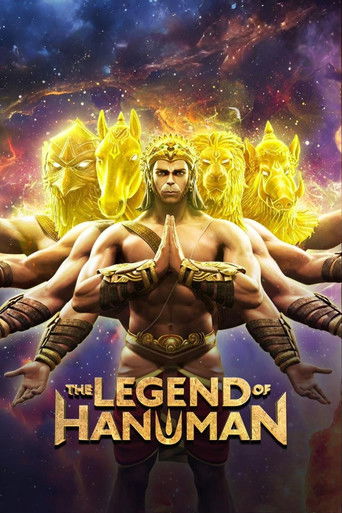 The Legend of HanumanSeries★ 6.22021
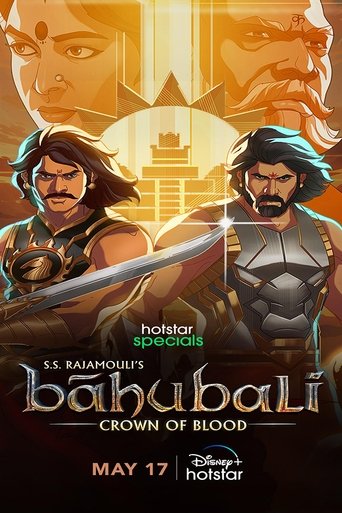 Baahubali: Crown of BloodSeries★ 10.02024
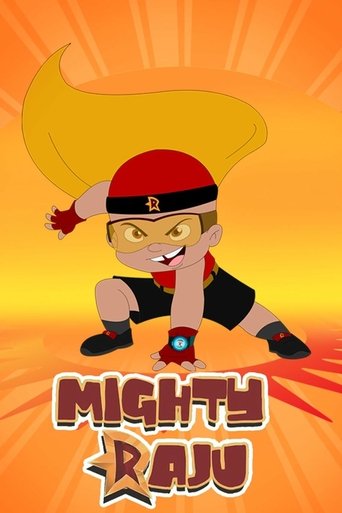 Mighty RajuSeries★ 2.02015
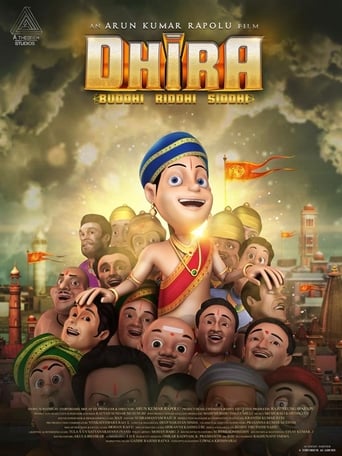 DhiraFilm★ 9.02020
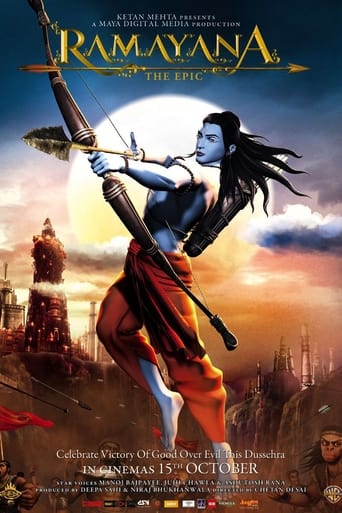 Ramayana: The EpicFilm★ 5.62010
 TomorrowShort★ 9.52019
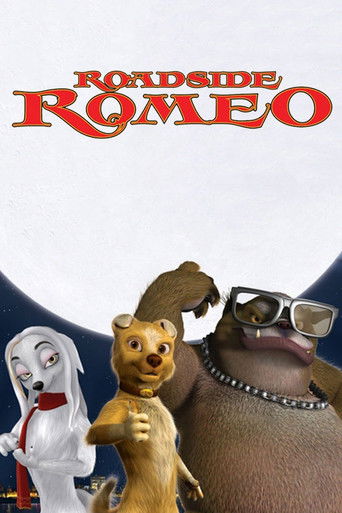 Roadside RomeoFilm★ 4.72008
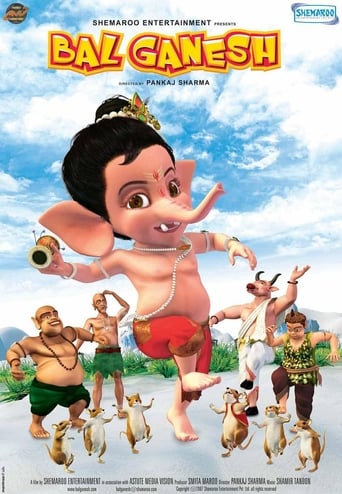 Bal GaneshFilm★ 6.42007
 BirdBoxShort★ 4.02022
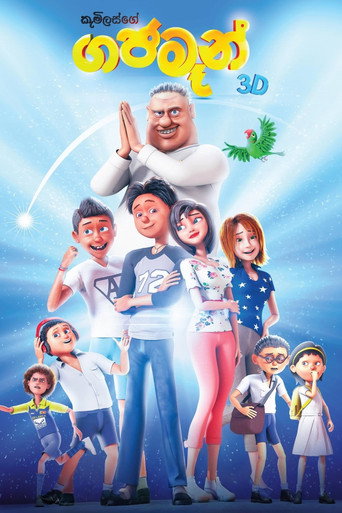 GajamanFilm★ 7.52023
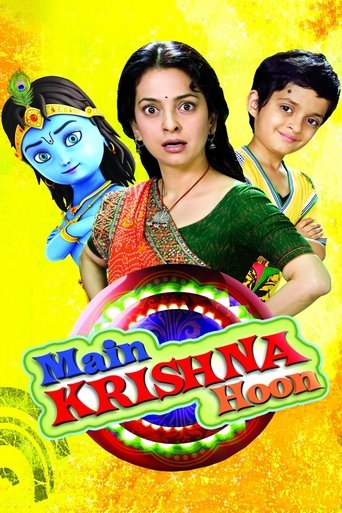 Main Krishna HoonFilm★ 6.02013
 Arjun: The Warrior PrinceFilm★ 6.22012
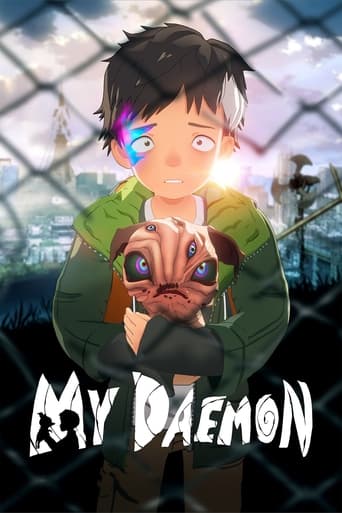 My DaemonSeries★ 8.02023
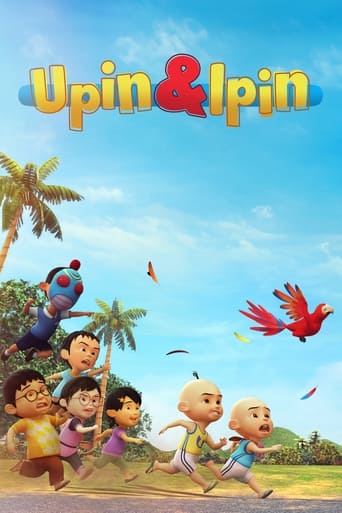 Upin & IpinSeries★ 6.62007
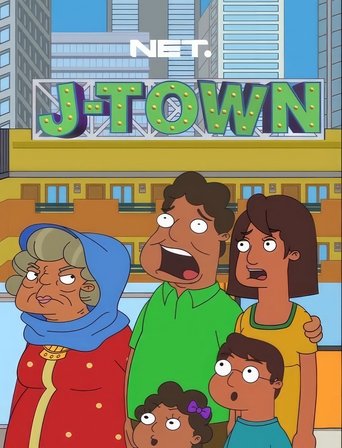 J-TownSeries★ 5.22017
 Barangay 143Series★ 7.32018
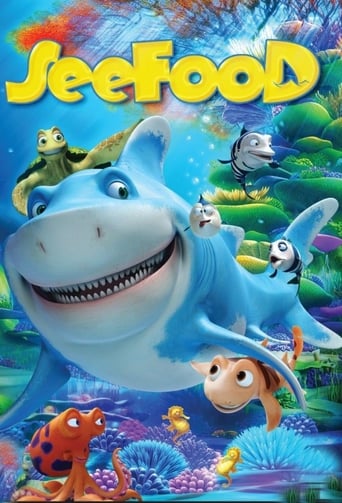 SeeFoodFilm★ 4.92011
 My Stupid Boss: The Animated SeriesSeries★ 7.02025
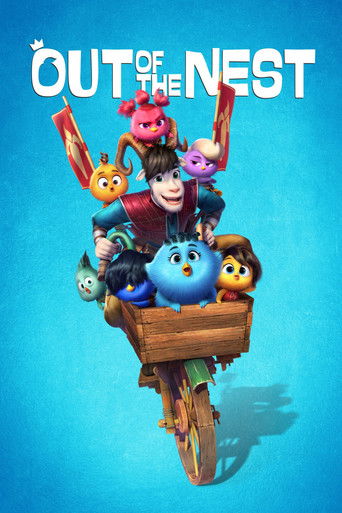 Out of the NestFilm★ 7.82024
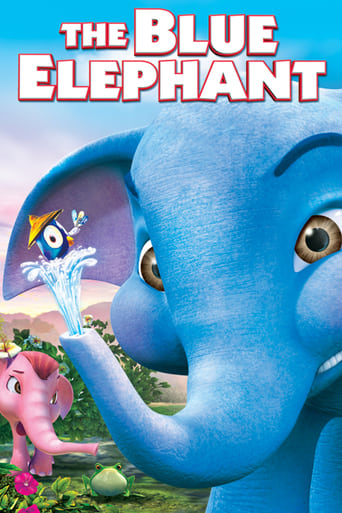 The Blue ElephantFilm★ 7.82006Mantra Warrior: The Legend of The Eight MoonsFilm★ 7.42023
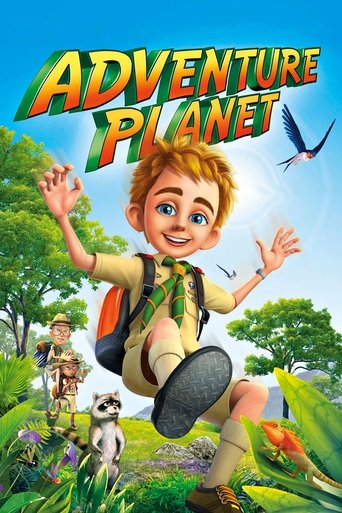 Adventure PlanetFilm★ 4.82012
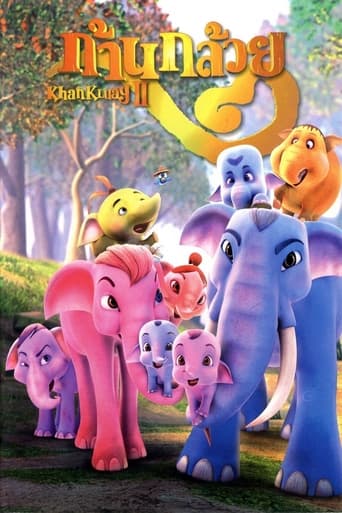 The Blue Elephant 2Film★ 7.02009
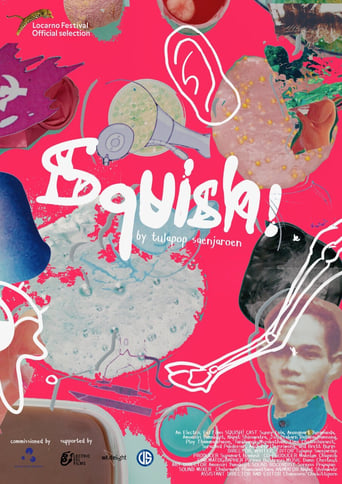 Squish!Short★ 5.42021
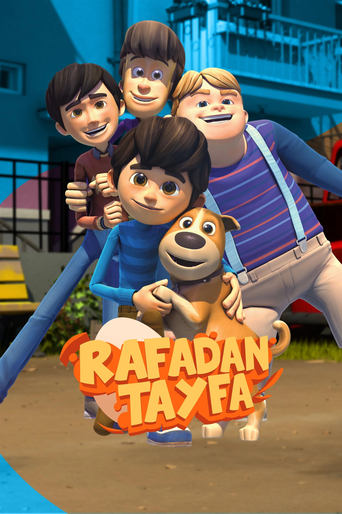 Rafadan TayfaSeries★ 8.52014
 Feride vs. the WorldSeries★ 6.72025
 Super HenedySeries★ 7.52007
 Fırıldak AilesiSeries★ 7.82013
 Extinction: Animals Unite!Film★ 7.22023
 FreejSeries★ 5.72006
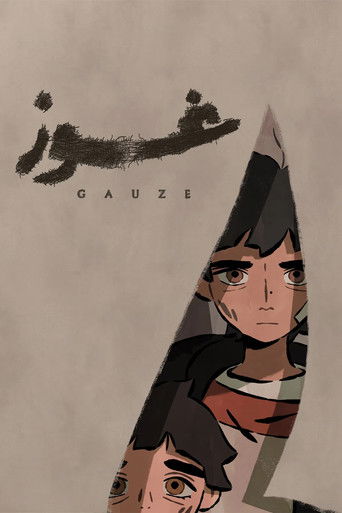 GauzeShort★ 8.82025
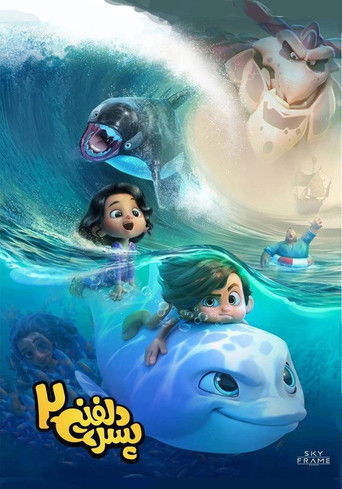 Dolphin Boy 2Film★ 5.72025
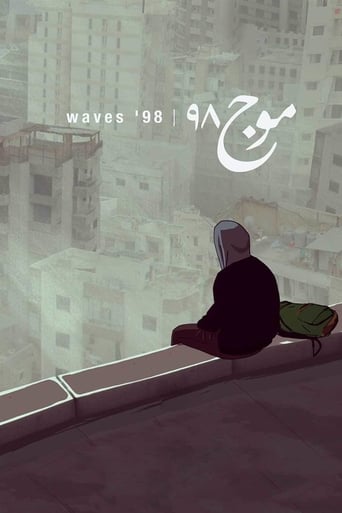 Waves '98Short★ 6.32015
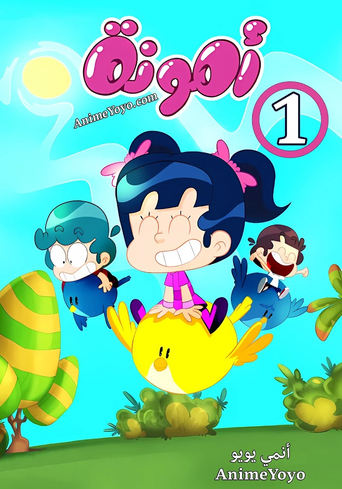 Amouna al-MazyounaSeries★ 10.02015
 Block 13Series★ 4.02000
 King Shakir RecycleFilm★ 5.82022ShutlineSeries★ 7.42024Shining StarSeries★ 6.02017LookismSeries★ 8.32022A Day Before UsSeries★ 6.420184 Week LoversSeries★ 6.32023Pyramid GameSeries★ 8.02025HyperventilationSeries★ 5.92017
 Semantic Error SpecialSeries★ 7.22021
 The SummerSeries★ 6.02021
 No HomeSeries★ 5.32024
 The Dangerous Convenience StoreSeries★ 6.52025
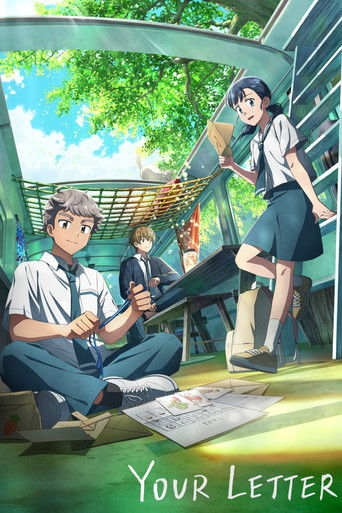 Your LetterFilm★ 7.52025The Legend of HanumanSeries★ 6.22021Baahubali: Crown of BloodSeries★ 10.02024The Blue ElephantFilm★ 7.82006
 Blade of the Phantom MasterFilm★ 6.12004DhiraFilm★ 9.02020Mantra Warrior: The Legend of The Eight MoonsFilm★ 7.42023Ramayana: The EpicFilm★ 5.62010Bal GaneshFilm★ 6.42007
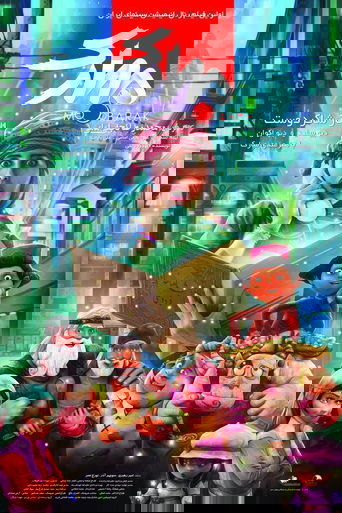 The MobarakFilm★ 4.72017The Blue Elephant 2Film★ 7.02009
 Oil JugShort★ 8.51972
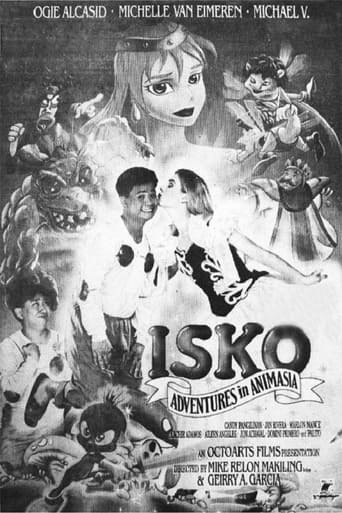 Isko: Adventures In AnimasiaFilm★ 9.01995The Haunted HouseSeries★ 7.32016Hero InsideSeries★ 8.22023Upin & IpinSeries★ 6.62007Rafadan TayfaSeries★ 8.52014SeeFoodFilm★ 4.92011Extinction: Animals Unite!Film★ 7.22023Super Wings: Maximum SpeedFilm★ 6.32023Out of the NestFilm★ 7.82024
 Pororo: The Racing AdventureFilm★ 5.42013The Blue ElephantFilm★ 7.82006Mighty RajuSeries★ 2.02015
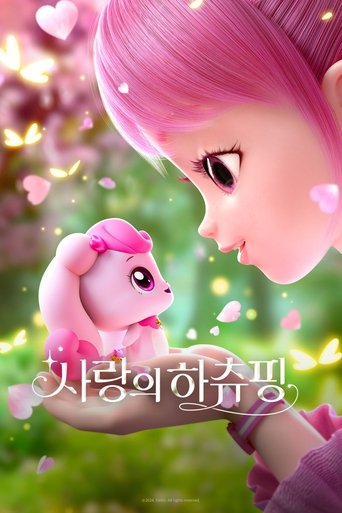 Heartsping : Teenieping of LoveFilm★ 7.42024My DaemonSeries★ 8.02023The Haunted HouseSeries★ 7.32016Hero InsideSeries★ 8.22023LookismSeries★ 8.32022Extinction: Animals Unite!Film★ 7.22023Semantic Error SpecialSeries★ 7.22021The Blue ElephantFilm★ 7.82006Mantra Warrior: The Legend of The Eight MoonsFilm★ 7.42023Heartsping : Teenieping of LoveFilm★ 7.42024GauzeShort★ 8.82025Your LetterFilm★ 7.52025
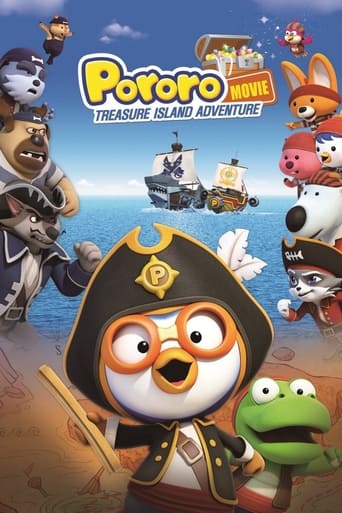 Pororo: Treasure Island AdventureFilm★ 7.52019
All titlesSeriesFilmsMyths and epicsRobots and heroesWebtoons and romanceKids and familyComedyHistory and true storiesShort filmsBefore 20002000 to 20142015 onwardTop rated
AniHub brings together two sites that shared a name: a sleek anime tracker with a deep navy page, a gradient wordmark and rounded slate cards, and AniHUB India, a site for viewers who wanted their animation in Hindi, Tamil and Telugu. The new AniHub keeps the tracker's clean, modern design and the Indian site's wide outlook, and turns them into a guide to animation from all over Asia beyond Japan and China: South Korea, India and its neighbours, Southeast Asia, the Arab world, Iran, Turkey, Israel, the Caucasus and Central Asia.
Here you will find Korean webtoon series and 1970s robot classics, Indian mythological epics and the adventures of Chhota Bheem, Thai and Filipino fantasies, Malaysia's beloved twins Upin and Ipin, Emirati and Egyptian sitcoms, Persian legends, Turkish family comedies, Armenian and Georgian fairy tales and a treasury of award-winning short films. Every title has its own page with the story, the studio, the voice cast and, for series, every episode with its air date, plus a Watch now button that opens it on the official services in your country.
The guide gathers more than three hundred series and films from well over thirty countries, and each one was chosen by hand. This page explains how AniHub is built, what each part of the design does and what waits in each region and on each shelf. It also suggests some viewing routes and points to the short guides that answer everyday questions about subtitles, devices, free viewing and saving titles for later.
The design is measured from two archived pages. The first is the anihub.cc home page, captured in May 2026, an anime tracker built with a modern web framework whose style sheets were saved in full. The second is the AniHUB India home page at anihub.co, captured in April 2026, which kept its structure but lost its style sheets. AniHub takes its colours, typography and card style from the first and the shape of its featured banner from the second.
The page is a deep navy, #101828, and the header runs in a gentle gradient from #0F172A through #1E293B and back, with a thin slate rule underneath. The wordmark shades from a light blue, #60A5FA, to a soft violet, #C084FC, and the same two colours, in their deeper versions #2563EB and #9333EA, fill the active navigation pill, the My List button and the Watch now buttons. Cards sit on a diagonal gradient from #1E293B to #0F172A with a slate border, #334155, that glows blue when you point at it. Small badges on each card use the tracker's own palette: slate for the type, green, #16A34A, for the score and a lighter slate for the year. The gold star on the banner, #F5CF49, comes from AniHUB India.
The tracker used Geist, a crisp, modern typeface designed for screens, and AniHub keeps it for every word. The wordmark is set in bold Geist with the blue-to-violet gradient, just like the original, and the favicon shows the letters Ah in white on a gradient tile.
The header has two rows on wide screens. The top row holds the gradient wordmark on the left and the gradient My List button on the right. The second row holds the navigation pills, Home, Korea, India, Films, Browse and About, with the current page lit in the blue-to-violet gradient, and a search box on the right with a small keyboard hint, just as the tracker showed a shortcut key beside its search. On phones and tablets, the pills and the search fold into a menu button.
Below the header comes the featured banner, a wide panel with rounded corners. Five titles take turns here: Lookism, Mantra Warrior: The Legend of The Eight Moons, Allahyar and the Legend of Markhor, Yumi's Cells: The Movie and The Last Fiction. Following the AniHUB India layout, each slide shows the title in large letters, a gold star with the score, small outlined boxes for the type, the year and the length, three lines of the story and a gradient Watch now button, with the poster on the right over a softly faded backdrop. Round arrows in the corner move between the slides, and on a phone you can swipe.
After a short heading block comes the Browse by region grid: five colourful tiles for Korea, India and South Asia, Southeast Asia, the Middle East and the Caucasus and Central Asia, each with the number of titles on its shelf. Then come rows of cards for each region and for the webtoon, myth, family and top-rated shelves. Each card shows the poster, the title in white and three small badges, and the whole card lifts gently with a blue glow when you point at it. A strip of rounded chips lists every other shelf, a grid of help cards leads to each guide, and a slate footer closes the page.
South Korea has one of the busiest animation industries in the world. For decades its studios worked on series for American and Japanese companies, and many of the most famous cartoons of the 1990s were partly drawn in Seoul. At the same time, Korean creators made their own films, from 1970s robot adventures to festival-winning shorts, and in recent years the rise of webtoons, comics read on phones, has given Korean animation a flood of new stories. The Korea shelf gathers more than a hundred titles, and the Korean animation guide suggests where to begin.
Robot Taekwon V, from 1976, is the great classic. A scientist builds a giant robot that fights with the moves of taekwondo, piloted by his son, a martial arts champion, and the film became a national favourite that is still celebrated today. It started a wave of robot and space adventures, including Goldwing, Captain of Cosmos, Robot King, Phoenix-bot Phoenix King, Protectors of Universe, Savior of the Earth, Solar Adventure and Space Transformer, full of colourful heroes, villains from distant galaxies and brave children who save the day. Three Musketeers: Time Machine 001 and Black Star and the Golden Bat add time travel and mystery, and Iron Man 007 gathers four young heroes against an evil organisation.
The 1990s and 2000s brought more ambitious films. Armageddon imagined an alien invasion in 2157, Blue Seagull followed a young hero recovering a royal sword taken from Korea, and Blade of the Phantom Master, made with Japanese partners, drew on the legend of the secret royal inspectors of the Joseon Dynasty. Hammerboy follows a cheerful boy in a city built on the sea, Empress Chung retells a beloved folk tale of a daughter's sacrifice, and Super Kid follows a lively young reporter who meets a hero from the future in the year 2023.
Korean studios have also created some of the most successful children's characters in the world. Pororo, the curious little penguin, stars in a long series of films, from Pororo to the Cookie Castle to Pororo: Treasure Island Adventure, Pororo: Dragon Castle Adventure and Pororo: Sweet Castle Adventure. Pinkfong and Baby Shark head to space in Pinkfong & Baby Shark's Space Adventure, the transforming cars of Hello Carbot the Movie: The Cretaceous Period travel back to the age of dinosaurs, and the long-running series The Haunted House follows two siblings and a friendly goblin who help ghosts find peace.
Webtoons, comics designed to be read by scrolling down a phone screen, are one of South Korea's great cultural exports, and many have become animated series and films. The Webtoons and romance shelf gathers more than thirty of them.
Lookism is the best known. A bullied, overweight high school student wakes up one day with a second body, tall and handsome, and switches between the two lives as he learns how differently the world treats people according to their looks. It is gripping, funny and often sharp about school life. Yumi's Cells: The Movie brings the charming world of Yumi's Cells to the cinema: the little cells inside Yumi's head, each in charge of a feeling, cheer her on as she quits her job to write. Pyramid Game follows a transfer student at a school where a monthly popularity vote decides everyone's place.
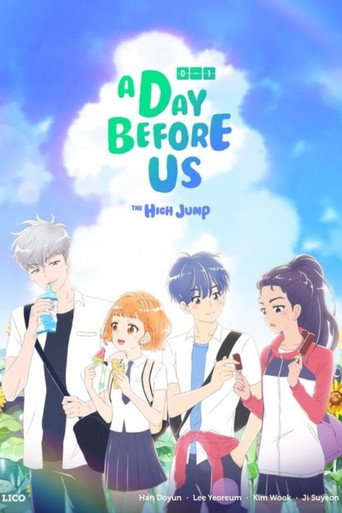
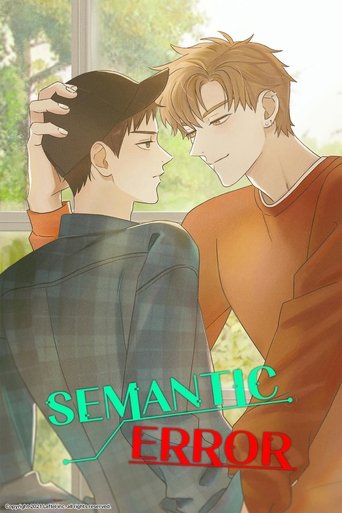
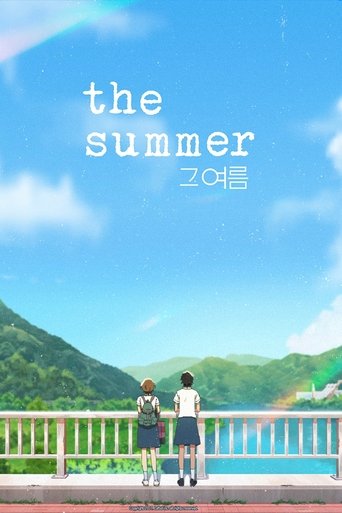
Romance takes many forms. The Summer, a short series, and its film version, The Summer, follow two girls in a small town dreaming of a life in Seoul. Semantic Error Special and 4 Week Lovers are sweet campus romances, A Day Before Us follows four couples through the ups and downs of love, and Unbelievable Space Love begins with two strangers in a dream. The Demon Queen Has a Death Wish, The Forgotten Princess Just Wants Peace and The Dragon Next Door bring fantasy into the mix, and My Daughter is a Zombie is a touching comedy about a father hiding his zombie daughter after an outbreak.
Korea is also a powerhouse of short films, many made at the Korean Academy of Film Arts and other schools. Birthday Boy, nominated for an Academy Award, follows a little boy in a war-torn village in 1951 as he waits for his soldier father. Doggy Poo, a gentle stop-motion film, finds meaning in the smallest life. Johnny Express follows a lazy space courier who delivers a parcel to a very tiny planet, and it became an online hit. Chun Tae-il: A Flame That Lives On tells the true story of a young garment worker who fought for workers' rights in 1970, and I Am Sun Mu is an animated documentary about a North Korean defector who paints political pop art.
India has a long tradition of storytelling, and its animation draws deeply on it. The India and South Asia shelf gathers more than fifty titles from India, Pakistan, Bangladesh and Sri Lanka, and the Indian animation guide suggests where to begin.
Mythology is at the heart of many Indian animated films. Hanuman, released in 2005, was a landmark: the story of the monkey god, his childhood mischief and his devotion to Rama, it proved that Indian animated features could fill cinemas, and it was followed by Return Of Hanuman, Hanuman Vs Mahiravana and the series The Legend of Hanuman. The life of Krishna appears in Krishna - The Birth, Krishna - Kans Vadh and Krishna and Kamsa, and Main Krishna Hoon sends the young god to help an orphan boy in modern India. Arjun: The Warrior Prince tells the story of the great archer of the Mahabharata, Mahabharat retells the whole epic, Ramayana: The Epic follows Rama from his birth to his battle in Lanka, and Dashavatar follows two children who learn about the ten avatars of Vishnu. The Bal Ganesh films tell of the childhood of the elephant-headed god.
For children, Chhota Bheem is a superstar: a strong, kind-hearted boy from the kingdom of Dholakpur who defends his friends against demons and villains, in films such as Chhota Bheem and Krishna, Chhota Bheem and the Curse of Damyaan, Chhota Bheem: Kung Fu Dhamaka and Chhota Bheem: Bheem vs Aliens. Motu Patlu, a comic double act inspired by classic comedy duos, star in Motu Patlu: Kung Fu Kings and its sequels, and Mighty Raju follows a boy with superhuman strength.
Indian animation for grown-ups is growing too. Kochadaiiyaan, starring the Tamil film legend Rajinikanth in a motion-capture performance, tells a tale of revenge and war, and Baahubali: Crown of Blood expands the world of the famous Baahubali films. Roadside Romeo is a comedy about a pampered dog left on the streets of Mumbai, and Toonpur Ka Superrhero mixes live-action star Ajay Devgn with a world of cartoons. Bombay Rose, by Gitanjali Rao, is a painted love story between a flower seller and a young man in Mumbai, and The Fish Curry is a moving short about a young man who cooks a special dish before sharing an important truth with his father.
Pakistan's 3 Bahadur: The Revenge of Baba Balaam and 3 Bahadur: Rise of the Warriors follow three young heroes, and Allahyar and the Legend of Markhor follows a boy who sets out to protect a rare mountain goat from hunters. From Bangladesh, Tomorrow shows a boy two visions of the future, and from Sri Lanka, Gajaman follows a henchman whose life turns upside down. Gopal Bhar brings the witty court jester of medieval Bengal to television.
Southeast Asian animation is young, lively and growing fast, with studios in Thailand, Indonesia, Malaysia and the Philippines making family films, fantasies and series that are loved at home and increasingly abroad. The Southeast Asia shelf gathers more than fifty titles, and the Southeast Asia guide picks some favourites.
Thailand's studios have a flair for spectacle. Mantra Warrior: The Legend of The Eight Moons reimagines the Ramakien, Thailand's version of the Ramayana, in a futuristic universe of warriors who wield ancient mantras. The Blue Elephant follows a young elephant who grows up to carry a king into battle, with The Blue Elephant 2 continuing his story, and The Giant King follows a giant robot who wakes a million years after a great war, chained to a tiny robot companion. Krut: The Himmaphan Warriors draws on the mythical creatures of Thai legend, Nak turns a group of famous Thai ghosts into heroes who help humanity, and The Life of Buddha and Lord Buddha: Thus Have I Heard tell the life of the Buddha. The series My Daemon follows a boy and his tiny demon friend across a ruined world.
Malaysia's Upin & Ipin is one of the most popular animated series in Southeast Asia: a gentle 3D comedy about twin brothers growing up in a village with their grandmother and older sister, running for more than fifteen seasons. The film Upin & Ipin: The Lone Gibbon Kris sends them on a magical adventure, and Geng: The Adventure Begins was the first feature from the same studio. Putih retells a classic Malay folk tale, and Dongeng Sang Kancil follows the clever mouse-deer of Malay fables.
Indonesia's studios make films for families and for history lovers alike. Battle of Surabaya follows a thirteen-year-old shoe shiner caught up in the battle for Indonesian independence in 1945, Nussa follows a bright nine-year-old boy and his family, and the Si Juki films, such as Si Juki the Movie: Doomsday Committee, star a popular comic-strip hero. Riki Rhino follows a young Sumatran rhino searching for his stolen horn, and Panji Tengkorak adapts a classic Indonesian comic about a wandering swordsman.
The Philippines has a proud animation tradition too. RPG Metanoia, the country's first 3D animated feature, follows a boy who plays an online role-playing game and learns lessons that matter in real life. Urduja tells the legend of a warrior princess, Isko: Adventures In Animasia sends a coconut seller to save a magical land, and Barangay 143 follows a young basketball player in Manila. Paglisan is a moving drama about a couple whose marriage is tested by illness. From Vietnam comes Ly Thuong Kiet, about a famous general of the eleventh century, and from Cambodia Kolab Pailin, a romantic tale of loyalty.
The Middle East has a rich and varied animation scene, from the sitcoms of the Gulf and Egypt to Iranian art films, Turkish family comedies and Israeli and Palestinian short films. The Middle East shelf gathers more than eighty titles, and the Middle East guide suggests where to begin.
In the Arab world, animated series are a much-loved part of Ramadan television. Freej, the first Emirati animated series, follows four elderly women in an old Dubai neighbourhood as they face the changes of a modern city with humour and wisdom. Block 13 follows four boys in a Kuwaiti neighbourhood, Taysh Eyal follows two reckless Saudi siblings, Super Henedy brings the Egyptian comedian Mohamed Henedy to animation, and Amouna al-Mazyouna follows a five-year-old girl full of energy. From Saudi Arabia, Masameer: The Movie follows a girl who dreams of using artificial intelligence for good, and Masameer Junior follows three mischievous six-year-olds. The Knight & The Princess is an Egyptian and Saudi historical adventure, and Emara follows a young Emirati woman who becomes a superhero.
Iran has a long tradition of thoughtful animation. In the Shadow of the Cypress, by Hossein Molayemi and Shirin Sohani, won the Academy Award for best animated short: a former sea captain with post-traumatic stress lives with his daughter by the sea, and a stranded whale changes their lives. The Last Fiction draws on the Shahnameh, the great Persian book of kings, Princess of Rome follows a Byzantine princess on a long journey, The Mobarak retells Persian epic poetry with puppets and Extinction: Animals Unite! follows a boy who teams up with an endangered tiger. Our Uniform, Beach Flags and Toothache are memorable shorts.
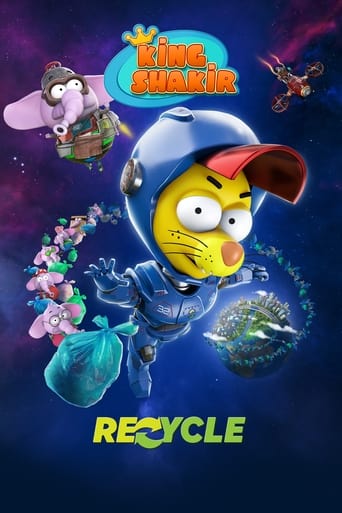
Turkish animation is full of family fun. Rafadan Tayfa follows a gang of friends in an Istanbul neighbourhood in the 1990s, and its films take them to Göbeklitepe, Cappadocia and even outer space. King Shakir Recycle follows a lion king and his family in a comedy about pollution, Tay follows a colt searching for its mother, and Evliya Çelebi ve Ölümsüzlük Suyu follows the famous Ottoman traveller. Çanakkale Geçilmez tells the story of the Gallipoli campaign, and Eflatun follows a woman blind since childhood.
The region's short films are some of the most powerful in the guide. Letter to a Pig, an Israeli and French film, follows a Holocaust survivor's testimony and a schoolgirl's reaction to it. Crayons of Askalan follows a Palestinian artist in prison who uses his art to resist, Waves '98 follows a teenager in divided Beirut, and Gauze follows a young Palestinian swimmer caring for his little brother. Alephia 2053 imagines a dystopian Arab country of the future, and Legend of Destruction tells of the fall of Jerusalem in the first century.
Some of the most charming animation in the guide comes from the Caucasus. In the Soviet era, the studios of Yerevan and Tbilisi made short films of remarkable wit and beauty, many based on local fairy tales, and they are still loved today. The Caucasus and Central Asia shelf gathers more than twenty of them, and the Armenian and Georgian classics guide suggests where to start.
The Armenian director Robert Sahakyants made several of the most famous. In the Blue Sea, in the White Foam... is a musical fantasy based on Armenian fairy tales, Three Blue-Blue Lakes of Crimson Color turns a tall tale by the poet Hovhannes Tumanyan into a riot of colour, and Wow, Butter Week!, Kikos and Unlucky Panos bring more Tumanyan tales to life. The Lesson and The Button, from the late 1980s, are sharp satires, and Wind is a striking film about a soldier at a nuclear test site. Anahit is a modern feature about an Armenian queen, and Aurora's Sunrise tells the true story of Aurora Mardiganian, who survived the Armenian genocide and told her story in Hollywood.
Georgian animation is full of gentle humour. Tailor Beso follows a tailor who works wonders, Watermelon teams the sun and the moon with a hard-working farmer, Oil Jug follows a poor man dreaming of riches, Some Little Men tells two funny stories about foolish men, and I'll Return as the Rain follows a sad snowman who befriends a girl. Dreams of Kojori Forest is an experimental puppet film set to jazz variations on Georgian folk songs, and Sizmara follows a king searching for the perfect dream. From Uzbekistan comes Echogram, and from Mongolia The Fourfold, a short film rooted in shamanic traditions.
Across Asia, animators return again and again to the stories their grandparents told. The Myths and epics shelf gathers more than sixty of them, from the Hindu epics of India to Persian legends, Thai mythology, Malay fables and the fairy tales of the Caucasus.
The Ramayana, the ancient Indian epic of Prince Rama and the demon king Ravana, has travelled across Asia, and the shelf shows several versions: Ramayana: The Epic from India, the Hanuman films and Mantra Warrior: The Legend of The Eight Moons from Thailand, where the story is known as the Ramakien. The Mahabharata appears in Arjun: The Warrior Prince and Mahabharat. The life of the Buddha is told in two Thai films, and Persian legend in The Last Fiction and The Mobarak. Habil & Qabil animates the story of Cain and Abel.
Folk tales fill the shelf with clever animals and brave heroes. The mouse-deer of Dongeng Sang Kancil outwits bigger animals, Putih is a Malay Cinderella story, Beauty and Warrior adapts an Indonesian tale of a banished celestial princess, and Empress Chung and Shim Chung retell the Korean story of a devoted daughter. Gopal Bhar, the witty jester of Bengal, and the tall tales of Armenia and Georgia bring a smile to the end of the collection.
Asia's family animation is huge, and the Kids and family shelf gathers more than eighty titles. Korea's Pororo films and Pinkfong adventures, India's Chhota Bheem and Motu Patlu, Malaysia's Upin & Ipin, Indonesia's Nussa and Si Juki, Turkey's Rafadan Tayfa and Niloya and the Emirati series Amouna al-Mazyouna are all loved by young viewers in their home countries and beyond.
A few stand out for families new to the region. Allahyar and the Legend of Markhor, from Pakistan, combines a lively adventure with a message about protecting wildlife. SeeFood, from Malaysia, follows a young bamboo shark who sets out to rescue stolen shark eggs. Out of the Nest follows a teenage goat who dreams of becoming a royal barber, and My Friend Bernard follows a shy boy and a polar bear. Hammerboy and The Toy Warrior are Korean adventures for older children,.
Comedy is a strong suit too. The Comedy shelf gathers sitcoms and satires such as Freej, Fırıldak Ailesi, a satirical Turkish family comedy, The Samsonadzes, a Georgian sitcom, M.K. 22, an Israeli army comedy, Warkop DKI Kartun: The Series, based on a legendary Indonesian comedy trio, and My Stupid Boss: The Animated Series. Short comic films such as Larva Pendant, about two slapstick larvae, and Coffee Samurai add quick laughs.
Animation is a powerful way to tell true stories, and the History and true stories shelf gathers more than forty animated documentaries, memoirs and historical films. Chun Tae-il: A Flame That Lives On, I Am Sun Mu, Aurora's Sunrise, Letter to a Pig and Dear Fredy tell real lives, from a Korean labour activist to a North Korean painter, an Armenian survivor, a Holocaust survivor and a Jewish sportsman who protected children in the camps. Suleima recalls a Syrian woman's experience, Crayons of Askalan follows a Palestinian artist and Battle of Surabaya and Çanakkale Geçilmez tell stories of war from Indonesia and Turkey. The Road Called Life adapts three classics of modern Korean literature, and The Precious Memory of Gogo Brothers remembers two brothers growing up in an older Seoul.
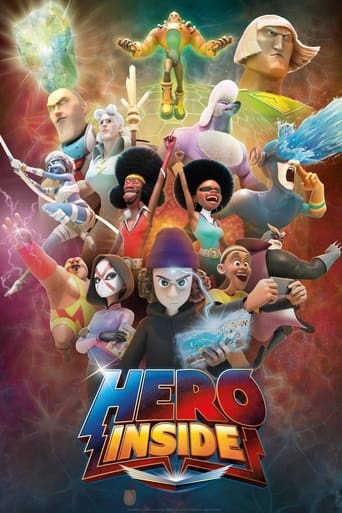
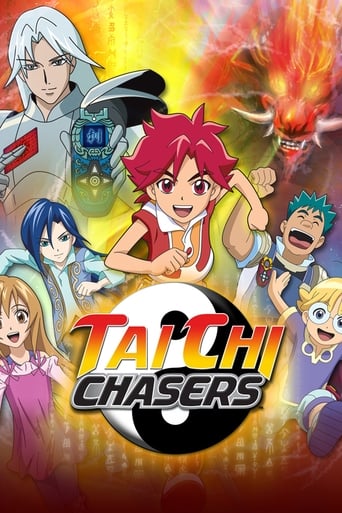
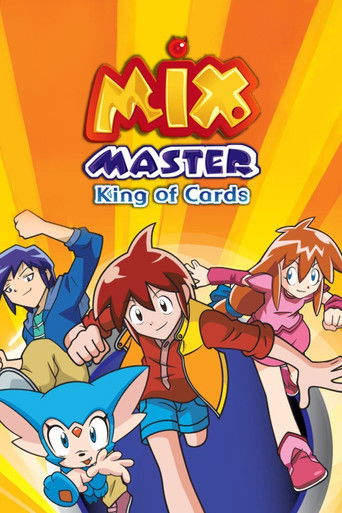
Asia's animators love a good hero. The Robots and heroes shelf gathers more than forty titles about giant robots, superheroes, space rangers and game champions. Beside the Korean robot classics of the 1970s and 1980s, it holds Hero Inside, a Korean series in which comic-book heroes step out of their pages, Tai Chi Chasers, a Korean and Japanese adventure about a boy with a secret destiny, and Mix Master, based on a popular online game. Miniforce X and the Hello Carbot films bring transforming heroes to younger viewers.
Other regions have their champions too. Pakistan's 3 Braves was the country's first animated feature, Emara gives the Emirates a superhero of its own, and Mighty Raju gives India a small boy with great strength. Thailand's The Giant King and Adventure Planet and Turkey's space comedy Uzay Kuvvetleri 2911 take their heroes to far-off worlds, and the Philippines' RPG Metanoia turns an online game into a real adventure.
Nearly a third of the titles on AniHub are short films of forty minutes or less, and the Short films shelf gathers all of them. They come from film schools, independent artists and festival programmes, and together they show the astonishing range of Asian animation.
Some are playful. Johnny Express follows a lazy space courier, Alarm turns the battle with a morning alarm clock into slapstick, Afternoon Class shows a student fighting sleep in class and Birthmark follows a father and son who share a mysterious mark. Others are moving: Birthday Boy, Our Uniform, Death of a Father, The Fish Curry, Letter to a Pig and In the Shadow of the Cypress touch on childhood, loss, identity and memory. Still others are experimental, such as Noodle Fish, made with plain noodles, Squish!, a meditation in liquid forms, and House of Existence, drawn entirely in pencil.
Short films are easy to fit into a busy day, and many are available on the official channels of their makers. They are also a wonderful way to discover the next generation of Asian animators, many of whom go on to make feature films and series.
The full list of shelves lives on the collections page, and every shelf is also linked from the region tiles and the theme chips on the home page. All titles holds the complete library, Series gathers the television and web series and Films gathers the features and short films.
The region shelves are Korea, India and South Asia, Southeast Asia, The Middle East and Caucasus and Central Asia. The theme shelves are Myths and epics, Robots and heroes, Webtoons and romance, Kids and family, Comedy, History and true stories and Short films.
The era shelves divide the history into three chapters. Before 2000 reaches back to Robot Taekwon V, the Armenian and Georgian classics and the early Filipino and Korean features. 2000 to 2014 covers the rise of Indian mythological films, Upin & Ipin, Freej and Korean festival shorts. 2015 onward brings the story up to Lookism, Mantra Warrior, In the Shadow of the Cypress and the newest webtoon series. Finally, Top rated lists the titles with the highest audience scores.
AniHub is a guide, and every title page leads to the official services that carry it. The how to watch guide walks through the steps. Choose a title from the banner, a region tile, a row or the search. Read its page, which shows the story, the studio, the voice cast and, for series, every episode with its air date. Then choose your country and press Watch now, and JustWatch lists every official service that carries it.
Many titles here are easiest to find on regional services or on the official channels of their studios, and the where AniHub titles stream guide and the free Asian animation guide explain how that works. The subtitles and dubs guide covers the many languages in the guide, and the finding a title guide explains how search handles English titles, original titles and episode numbers.
The apps and devices guide covers phones, tablets, computers and televisions, and the streaming safely guide is a short checklist for accounts and passwords. The official site guide shows how to recognise AniHub, and the site status guide lists quick fixes when a page looks odd. The My List guide explains how to save titles, tick off episodes and move your list between devices.
With titles from so many countries, a route helps. Here are a few, each built from titles on AniHub.
The Korean route starts with Robot Taekwon V for history, moves to Lookism for a modern webtoon series and ends with Yumi's Cells: The Movie for warmth and humour, with Birthday Boy and Johnny Express as short extras.
The epic route travels the Ramayana across Asia: Ramayana: The Epic from India, Hanuman for the monkey god's own story and Mantra Warrior: The Legend of The Eight Moons for the Thai version reimagined as science fiction.
The family route mixes Upin & Ipin: The Lone Gibbon Kris, Allahyar and the Legend of Markhor, Pororo: Dragon Castle Adventure and Chhota Bheem and Krishna, a tour of four countries in four films.
The Gulf and Mediterranean route pairs Freej with Masameer: The Movie and Rafadan Tayfa, three affectionate portraits of family and neighbourhood life.
The festival route is for a thoughtful evening: In the Shadow of the Cypress, Bombay Rose, Letter to a Pig and Chun Tae-il: A Flame That Lives On.
The fairy-tale route is perfect for a short break: In the Blue Sea, in the White Foam..., Three Blue-Blue Lakes of Crimson Color, Tailor Beso and I'll Return as the Rain. Save your picks in My List as you browse.
For much of the late twentieth century, Asia was the drawing board of world animation. Studios in South Korea, the Philippines, India and elsewhere drew and painted the frames of many famous American and Japanese series, working from designs and storyboards sent from abroad. That work trained generations of skilled animators, and many of them went on to build studios of their own. Korean companies that once worked on Western cartoons now create global children's brands, Indian studios that began with outsourced work now make feature films and long-running series, and Filipino artists who worked on international shows helped create the country's own features.
Today the region's animation industry is booming. South Korea's webtoon platforms supply a steady stream of stories to animate, Indian television channels commission hundreds of episodes of children's series every year, Malaysia's Les' Copaque studio has turned Upin & Ipin into a regional phenomenon, Indonesia's studios release more feature films every year, and Gulf producers make animated series for Ramadan viewing. Film schools across the region, from Seoul to Tehran and Yerevan to Manila, send short films to festivals around the world.
Each country brings its own flavour. Korean animation tends to be sleek and emotionally direct, Indian animation draws on colourful mythology and music, Southeast Asian films mix local legends with bright family comedy, Iranian shorts are often poetic and quiet, Turkish films are full of neighbourhood warmth, and the Soviet-era films of Armenia and Georgia have a folk-art charm all their own. Browsing across the regions on AniHub is a little like travelling across the continent in an afternoon.
AniHub brings together titles in more than twenty languages: Korean, Hindi, Tamil, Telugu, Bengali, Urdu, Sinhala, Thai, Indonesian, Malay, Filipino, Vietnamese, Khmer, Arabic, Persian, Turkish, Hebrew, Armenian, Georgian, Uzbek and Mongolian among them. AniHUB India, one of the two sites behind the name, served viewers who wanted to watch animation in Hindi, Tamil and Telugu, and that spirit lives on in the guide's attention to dubbed and subtitled versions.
Family titles are often dubbed into many languages. The Pororo films, Chhota Bheem, Motu Patlu and Upin & Ipin can be found in English and in several Asian languages, and Indian films are frequently released in Hindi, Tamil and Telugu at the same time. Short films and art-house features are usually shown with subtitles, which keep the original voices and the music of the language.
The subtitles and dubs guide explains how to choose, and every official service lists its own audio and subtitle tracks. If you are learning a language, a gentle animated series with subtitles in that language is one of the most enjoyable ways to practise.
Every title on AniHub was chosen by hand from the catalogue of The Movie Database, looking for animation made in each region and screening each title for tone and quality. The guide leans toward titles that families, students and curious viewers can enjoy, and it leaves adult, erotic and gore-led titles to other places. Titles that other Claude V2 guides already cover, such as Japanese anime and Chinese donghua, live on those guides, so AniHub can give every region beyond Japan and China its own space.
The result is a guide that mixes famous titles with hidden gems. Next to blockbusters such as Lookism and Upin & Ipin sit ten-minute shorts from film schools, Soviet-era fairy tales and animated documentaries. Each has its own page, and each can lead you to the next discovery.
A few quick portraits help to place the titles on AniHub in context.
South Korea is the biggest producer in the guide. Its animation ranges from the robot heroes of the 1970s, made when colour television was new, to the global children's brands of today and the webtoon adaptations that now reach fans around the world. Korean short films are especially strong, and many of the region's festival favourites come from Seoul's film schools.
India's animation grew quickly in the 2000s, when the success of the first Hanuman film showed that audiences would come to the cinema for animated mythology. Television followed, with children's heroes such as Chhota Bheem and Motu Patlu becoming household names, and independent artists such as Gitanjali Rao brought a personal, painterly style to festivals. Pakistan's studios have produced a series of lively family films since the mid-2010s, and Bangladesh and Sri Lanka have smaller but growing scenes.
Thailand made its name with big-screen adventures about elephants, robots and mythical creatures, often drawing on Thai history and Buddhism. Malaysia's success rests on warm family series with a strong local flavour, and Indonesia's studios mix family comedy with stories from the country's history and comics. The Philippines, where many animators worked on international series, has made landmark features and continues to produce thoughtful shorts.
In the Gulf, animated series are closely tied to television during Ramadan, and many of the region's best-known characters, from the grandmothers of Freej to the mischievous children of Masameer, first appeared there. Egypt has a long tradition of comedy on screen that its animated series continue. Iran's animation has deep roots in the Kanoon institute, famous for its artistic short films for children, and today's Iranian shorts regularly win prizes abroad. Turkey's studios have built a string of family franchises, while Israeli and Palestinian artists have made some of the most personal short films in the guide.
In the Caucasus, the Soviet-era studios of Armenia and Georgia developed distinctive styles built on local fairy tales and folk music, and their short films are still shown to children today. Armenia's recent features, such as Aurora's Sunrise, carry that tradition into the present. Central Asia and Mongolia appear through a handful of striking shorts that point to scenes worth watching in the years ahead.
A guide this wide rewards a little curiosity. Start with a region you already know a little about, then jump to one that is completely new to you: a Korean webtoon fan might try a Thai fantasy next, and a fan of Indian mythology might enjoy the Persian legends of the Middle East shelf. The region tiles on the home page make those jumps easy.
Mix lengths, too. A feature film makes a good centrepiece for an evening, and two or three short films before it act like the trailers at a cinema. The Short films shelf is especially good for this, since many of its films run for ten minutes or less.
Read the story on each title page before pressing Watch now. Many titles here are little known outside their home countries, and the short summary, the year and the list of voice actors help you decide whether a film suits your mood. If you enjoy a title, check its studio and year on the title page and look for its neighbours on the same shelf: studios in each country often make several films in a similar spirit.
Finally, save everything that catches your eye in My List. With titles from so many places, it is easy to lose track of a discovery, and a short list of saved titles turns browsing into a plan for the weeks ahead. The list lives in your browser and can be exported to a small file whenever you want to move it to another device.
If you are exploring with children, the Kids and family shelf is a safe starting point, and each official service shows its own age rating after you press Watch now. For older viewers, the History and true stories shelf and the Short films shelf hold some of the most thought-provoking work in the guide, and they make excellent starting points for a conversation after the credits roll.
AniHub is built for anyone curious about animation from Korea, India and across Asia, whether you grew up with Chhota Bheem or Upin & Ipin, follow the latest webtoon series, love festival shorts or simply want to see what animators in thirty countries are making. Every title has been chosen by hand, every page leads to official services and every shelf is designed to make the next choice a little easier. Start with the banner, pick a region tile and enjoy the journey.
AniHub is a guide to animation from Korea, India, Southeast Asia, the Middle East and the Caucasus, with a Watch now button on every title page that opens it on the official services in your country.
Open the title page, choose your country and press Watch now. JustWatch opens with the official services that carry it where you live.
South Korea, India, Pakistan, Bangladesh, Sri Lanka, Thailand, Indonesia, Malaysia, the Philippines, Vietnam, Cambodia, the Arab world, Iran, Turkey, Israel, Armenia, Georgia, Uzbekistan and Mongolia.
They live on other Claude V2 guides, so AniHub can focus on the rest of Asia.
Family titles are often dubbed into several languages, and short films usually have subtitles. Each service lists its own tracks.
The Kids and family shelf gathers titles such as the Pororo films, Chhota Bheem, Upin and Ipin and Allahyar and the Legend of Markhor.
Add the series to My List and tick the episodes you have watched. Your place is kept in your browser.
Scores, episode lists, cast and studio details come from TMDB, and the Watch now button uses JustWatch to list official services.